AI-Generated Code Stats 2026: How Much Is Written by AI?
AI now generates 41% of all code, with 256 billion lines written in 2024 alone. Is your developer job at risk? Discover the latest AI-generated code statistics for 2025 and what they mean for job security, productivity, and the future of software development.
As the founder of EliteBrains, where we focus on helping developers stay sharp with coding tests and skills development, I want to break down the AI-generated code stats for 2026, explore the tools that are making this happen, and give you a better understanding of what the future holds for software developers in this new world of AI-assisted coding.
As AI takes over more of the repetitive coding tasks, the real question becomes how we measure human skill alongside machine-generated output. That’s exactly where EliteBrains helps.
Put AI to the test and see which of your developers are truly qualified. Mix and match AI-powered coding tests from 120+ programming languages, choose the right seniority level, and instantly spot who rises above the rest.
Create your FREE AI coding tests today ( only 3 free slots available)
What Is AI-Generated Code?
AI-generated code is programming written or completed by artificial intelligence tools from natural language prompts, existing context or prior code patterns. In 2025, it typically means an AI assistant drafted the solution or produced most of the final lines that a developer then reviews and refines.
What Percentage of Code Is AI-Generated in 2026?
AI has been in the software development game for a while now, but its role in coding is reaching new heights. It’s not just about suggesting code anymore. AI tools are writing massive amounts of code, optimizing development, and helping developers be more efficient than ever before.
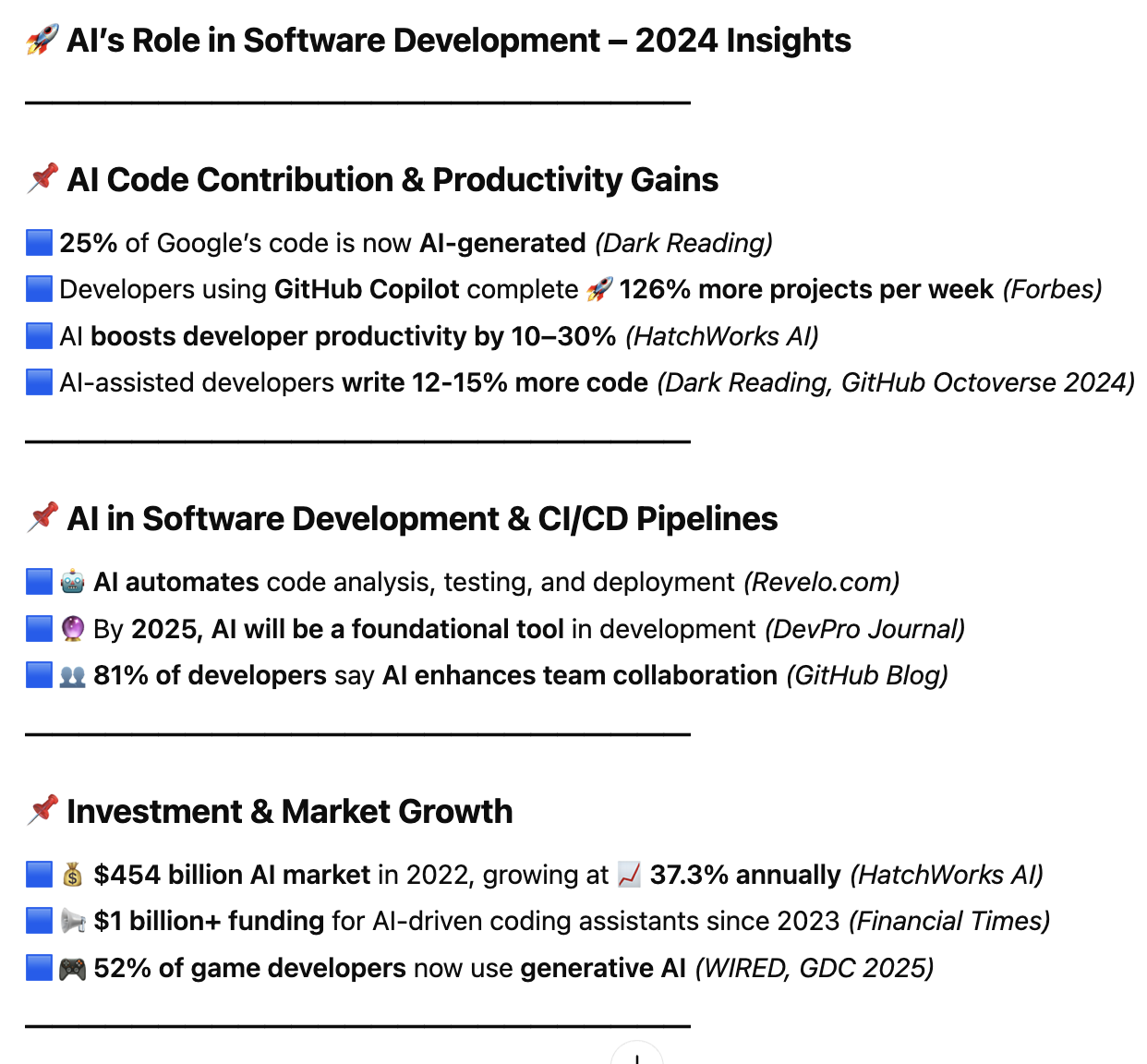
Here’s the shocking truth: 41% of code is now AI-generated. That number alone shows just how integrated AI tools like GitHub Copilot have become in developers’ workflows. Whether it’s generating entire functions or suggesting small snippets of code, AI is now deeply embedded into the way we code.
How Much Code Has AI Written So Far?
But just how much code is AI generating? Let’s break it down.
How Does AI Code Generation Affect Developer Jobs and the Economy?
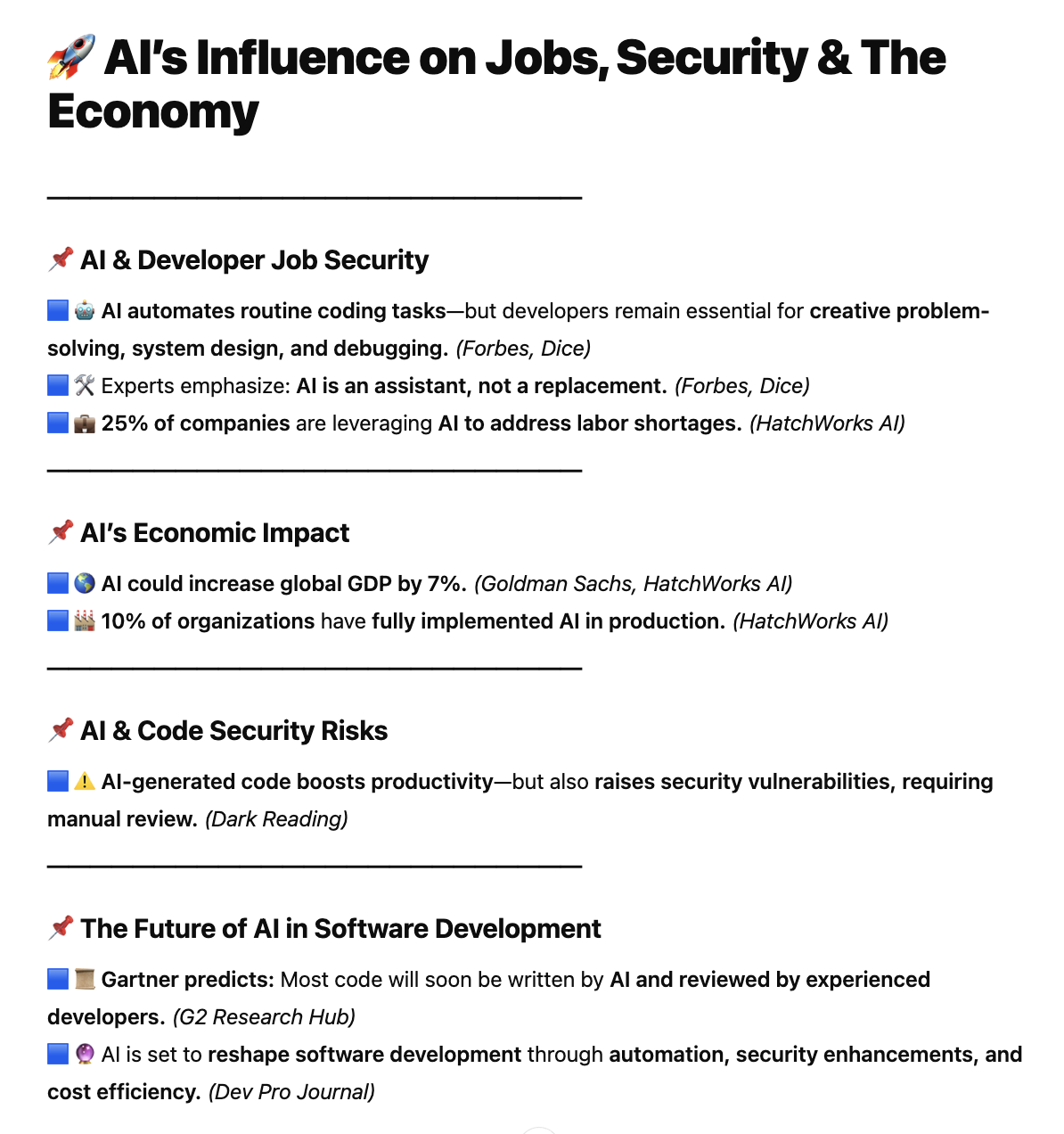
With AI generating such a massive amount of code, one big question looms: What does this mean for job security and the economy?
How Many Lines of Code Have Been Generated by AI?
Buckle up, because here’s where it gets mind-blowing. As of 2024, 256 billion lines of code have already been generated by AI. Think about that for a second—256 billion lines. That’s an insane amount of code, and we’re just getting started. From simple scripts to full-fledged software systems, AI is helping to write an overwhelming amount of code across all industries.
This number is so massive that it's hard to grasp. Consider this: the total lines of code written by humans in the last decade likely pales in comparison to this explosion of AI-generated code. And we’re still in the early stages of integrating AI tools into the development process. The future will see even more code churned out by AI as the tools become smarter, faster, and more efficient.
How Is Google Using AI to Write Code?
Let’s look at how AI is playing a huge role in tech giants like Google. Google, known for its cutting-edge AI innovations, has been using AI to power some of its most important software. According to Sundar Pichai, Google’s CEO, over a quarter of all new code generated by Google is written by AI. This includes everything from Google Cloud services to Android apps. AI is also playing a significant role in developing machine learning models that power a large chunk of Google’s products.
Pichai’s announcement isn’t just a marketing stunt but it’s a reflection of how deeply integrated AI has become in Google’s development process. Whether it's AI-driven infrastructure management or software development for consumer-facing products, Google is leading the way in showing just how powerful AI can be for developers.
Let’s dive deeper into why Google has taken this approach. With over 20,000 engineers working on various products, relying on AI to handle repetitive, time-consuming tasks such as code generation allows the company to save countless hours. This, in turn, frees up developers to focus on more complex tasks that require problem-solving skills, creativity, and innovation.
Will AI Replace Software Developers in 2026?
As AI continues to make its mark on software development, many developers are wondering if their jobs are at risk. Should they be worried? The short answer is no but let’s unpack that.
AI isn’t here to replace developers. Far from it. AI tools are designed to assist developers not eliminate them. These tools automate repetitive and mundane tasks such as writing boilerplate code or generating simple functions. But when it comes to the creative high-level work of designing software making complex decisions and debugging developers are still very much in the driver’s seat.
For example imagine a scenario where a developer is working on building a web application. AI can generate the basic structure of the code such as setting up routing creating a simple login form or connecting to a database but it cannot make decisions about the best UI layout for user experience or develop the logic that handles complex business rules. That’s where the developer’s creativity and problem-solving skills come into play.
AI is an assistant not a replacement. It helps developers write code faster but it doesn’t have the creativity problem-solving skills or domain knowledge that human developers bring to the table. In fact AI is actually helping developers become more productive allowing them to focus on more important aspects of the development process.
You can see similar patterns in other professions where technology can streamline tasks but the most important decisions still require human judgment which is why resources like a dental practice transition guide continue to matter when owners face major choices about the future of their business.
The key takeaway here is that AI is making software development more efficient but it still needs a human touch for the final product to succeed.
How Much Code Is AI-Generated on GitHub in 2025?
GitHub is one of the largest code repositories in the world, and it has seen a massive increase in AI-generated code in recent years. That’s not a small chunk—it’s a significant portion of the code that powers everything from web applications to mobile apps.
This doesn’t mean that developers are being replaced. Instead, it shows that developers are using AI to streamline their workflows and focus on more complex tasks. GitHub Copilot is perhaps the most popular AI tool used for code generation on the platform. It suggests entire lines of code and can even write entire functions based on developer input. It’s designed to help developers write code faster, with fewer bugs, and more efficiently.
By integrating Copilot into their workflow, developers save time and avoid getting bogged down by menial tasks, ultimately improving both speed and quality.
Which Programming Languages and Frameworks Does AI Write Best?
One of the most exciting things about AI in software development is its ability to generate code across a wide range of programming languages and frameworks. Here’s a breakdown of the most popular ones:
JavaScript:
JavaScript is the backbone of web development, and AI tools are excellent at generating code for JavaScript frameworks like React, Angular, and Vue.js. AI can generate entire components, hooks, and functions in JavaScript, saving developers a ton of time and effort. Someone still has to review that code, so many teams hire JavaScript developers who know these frameworks well.
Python:
Python has become one of the most popular programming languages, especially in fields like data science, machine learning, and web development. AI tools like GitHub Copilot are particularly skilled at generating Python code for these use cases, whether you’re building machine learning models or working with web frameworks like Django and Flask.
Java:
Java remains one of the most widely used programming languages in enterprise software development. AI can help developers generate Java code for popular frameworks like Spring and Hibernate. AI can also generate code for building microservices and APIs, speeding up development time. These APIs still need careful review, so many companies hire backend developers who can check and own that code.
C and C++:
AI tools are also capable of generating code in low-level programming languages like C and C++, which are crucial for systems programming and embedded systems. AI is particularly helpful in optimizing low-level code for performance and efficiency.
Ruby, Swift, PHP, and Go:
AI is also being used to generate code in languages like Ruby, Swift (for iOS development), PHP, and Go. These languages are frequently used for web development, mobile apps, and cloud applications, and AI is helping developers write faster and more efficient code across these platforms.
What Are the Best AI Code Generation Tools in 2025?
Now, let’s take a look at the tools that are making this all happen. These tools are transforming the way developers work, making coding faster and more efficient:
GitHub Copilot:
GitHub Copilot is arguably the most well-known AI tool for developers. Powered by OpenAI’s Codex, Copilot offers suggestions for entire lines or blocks of code as developers work. It supports a wide range of languages and frameworks, including Python, JavaScript, Java, and more. Copilot is designed to help developers write code faster and with fewer errors.
Source: GitHub Copilot Overview
Amazon CodeWhisperer:
Amazon’s CodeWhisperer is another powerful AI tool designed to assist developers in generating code for cloud-based applications. It integrates seamlessly with Amazon Web Services (AWS), allowing developers to write code for serverless applications, APIs, and more. CodeWhisperer is especially useful for developers working in the AWS ecosystem.
Tabnine:
Tabnine is an AI-powered code completion tool that integrates with popular code editors like VS Code, JetBrains, and more. It offers context-aware code suggestions to help developers write code more quickly and efficiently. Tabnine works with over 40 programming languages, making it a versatile tool for developers.
Replit Ghostwriter:
Replit’s Ghostwriter is another AI tool designed for real-time collaborative coding. It provides developers with AI-generated code suggestions and helps speed up the development process. Whether you’re working on a solo project or collaborating with others, Ghostwriter helps you write code faster and more efficiently.
Should Developers Be Worried About AI in Coding?
So, let’s get back to the big question: should developers worry about their jobs in an AI-driven world? The answer is no, but there’s a catch.
While AI is indeed transforming the way we write code, it’s not replacing developers. Instead, it’s empowering them to be more productive and efficient. Developers are still needed for creative problem-solving, high-level system design, and debugging. AI tools can generate code, but they can’t design systems, make architectural decisions, or think creatively about solutions. That’s where developers come in.
The same idea holds true across industries. AI can build websites or generate campaigns, but real growth still comes from people who understand the field.
What’s really changing is the developer’s role. Instead of getting bogged down with repetitive tasks like boilerplate code, they now have the chance to focus on more interesting, high-value work. Those who embrace AI as a tool rather than view it as a threat will find their jobs not just safe but more important than ever.
How Can Developers Stay Ahead of AI in Coding with EliteBrains?
At EliteBrains, we understand the importance of staying ahead of the curve. As AI continues to transform the software development industry, we’re here to help developers stay competitive. With our coding tests, developers can hone their skills, stay updated on new trends, and ensure they’re prepared for the future of software development.
Our platform allows developers to:
- Practice with AI-assisted tools and sharpen their skills
- Test their knowledge in real-world coding environments
- Stay up to date with emerging trends in AI and software development
- Learn how to integrate AI into their development workflow to increase efficiency
At EliteBrains, we’re committed to helping developers succeed in an AI-powered world, ensuring they remain competitive and continue to thrive.
Conclusion: AI and Developers—A Winning Partnership
The rise of AI in software development is reshaping the way we write code, but it’s not here to replace developers. Instead, it’s here to make their jobs easier and more efficient. By embracing AI tools like GitHub Copilot, Amazon CodeWhisperer, and Tabnine, developers can work smarter, not harder.
AI is an assistant, not a replacement. The key for developers is to adapt and use these tools to their advantage. The future of software development is collaborative—AI working alongside developers to create better, faster, and more innovative software.
With EliteBrains, developers can stay ahead of the curve, test their skills, and learn how to leverage AI to boost their productivity. The future of coding is bright, and it’s full of exciting opportunities for those who are willing to embrace the change.